Taiwan's allies: 12 small states caught in US-China rivalry | DW News


Channel: DW News
Uploaded by DW News on 20260711
Categories: News & Politics
Tags: DW News
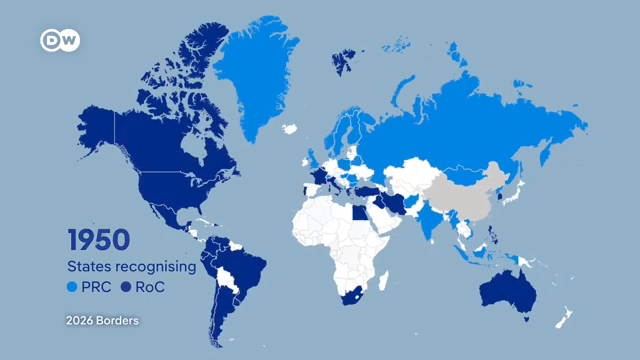
Since the Chinese Communist Party declared the People's Republic of China in 1949, other states have had to choose — to diplomatically recognize the regime in Beijing or stay with the Republic of China, the government which fled to Taiwan at the end of the Chinese Civil War. In the decades since then, powers large and small have m

Taiwan's allies: 12 small states caught in US-China rivalry | DW News

This detailed report by DW News examines the complex geopolitical struggle between Washington and Beijing through the lens of Taiwan’s remaining formal diplomatic allies. As of 2026, only 12 states officially recognize Taiwan (the Republic of China) over the People's Republic of China (PRC) in Beijing. These predominantly small, developing nations find themselves functioning as a critical frontline and a barometer of pow
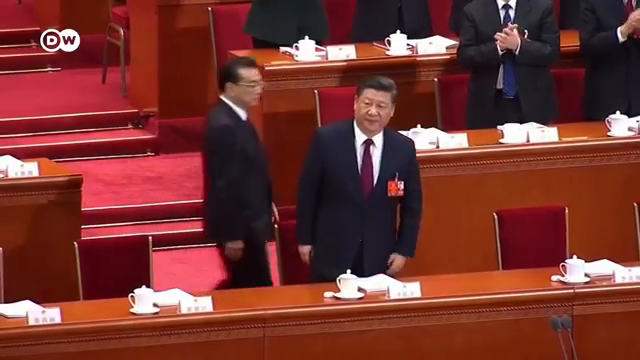
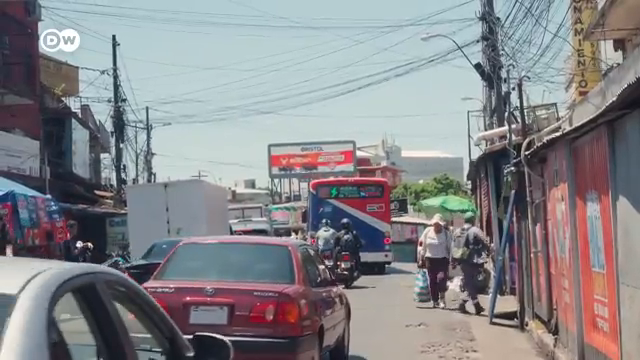
Image for chunk 1

er in the era-defining superpower rivalry.

1. The Historical Context and the Diplomatic Shift

Following the end of the Chinese Civil War in 1949, Chiang Kai-shek established a government-in-exile in Taipei [02:04]. Over the subsequent decades, Beijing aggressively lobbied for international recognition, causing a steady bleeding of Taiwan's allies [02:43]. Two major historical turning points firmly established Beijing’s mainstream global status:

1971: A United Nations vote awarded the Chine

Image for chunk 2

se seat to the PRC, displacing Taipei [03:14].

1979: The United States officially switched its formal diplomatic recognition from Taipei to Beijing [03:20].

Between 2008 and 2016, a temporary, tacit "diplomatic truce" occurred under the administration of Taiwan’s China-friendly president, Ma Ying-jeou, during which Beijing paused its poaching of Taipei's partners [04:30]. However, since Taiwanese voters began electing less Beijing-friendly governments, China has orchestrated highly calcula

Image for chunk 3

ted, cinematic diplomatic flips—such as Panama, Nicaragua, Burkina Faso, and Nauru—timed specifically to weaken the ruling party's domestic legitimacy in Taiwan [05:08].

2. The Status of the "Taiwan 12"

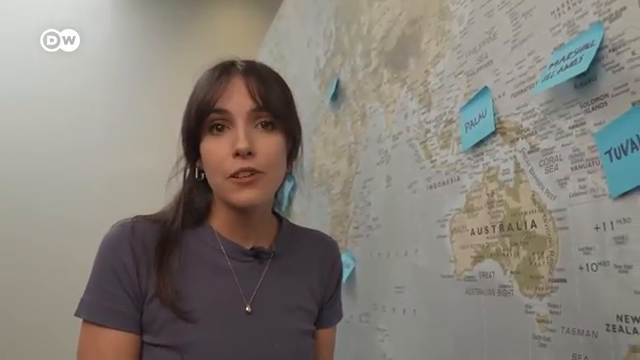
As of 2026, the 12 remaining states holding formal ties with Taiwan represent a combined population of roughly 40 million people—less than half the population of Germany [05:38]. These nations are mostly scattered across Latin America, the Caribbean, and the Pacific region [05:49].

Image for chunk 4

THE "TAIWAN 12" GEOGRAPHIC REGIONS

+---------------------------------------------------------------------+

| LATIN AMERICA & CARIBBEAN PACIFIC REGION AFRICA/EUROPE|

| - Paraguay (Only S. American - Small island states - Eswatini |

| nation recognizing Taiwan) with strategic (Africa) |

| - Guatemala Maritime zones and - Vatican City|

| - Haiti, etc. security pacts (Europe)

Image for chunk 5

|

+---------------------------------------------------------------------+

Case Study: Paraguay

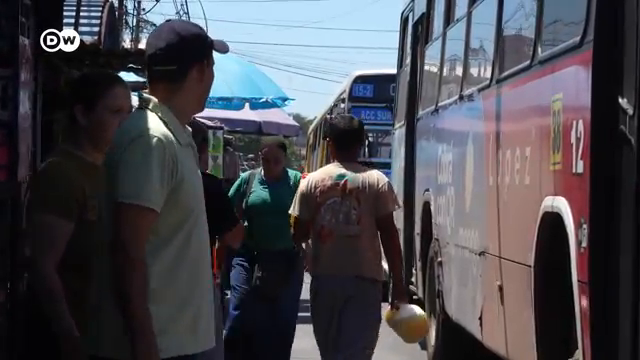
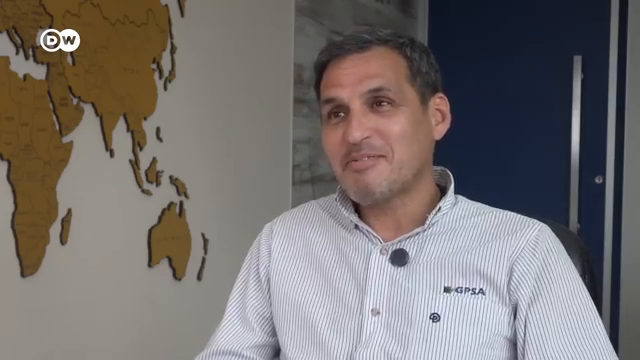
Paraguay stands out as the only South American country to recognize Taiwan [01:42]. Taiwanese influence is deeply visible across its capital, Asunción:

Infrastructure: The refurbishment of Paraguay's spaceship-like Congress building was heavily funded by Taiwan, and municipal buses bear Taiwanese colors [01:50].

History: A prominent statue of Chiang Kai-shek, dedicated by former dictator Al

Image for chunk 6

fredo Stroessner in 1986, still stands in the capital [02:04].

Development Assistance: Taiwan has moved away from historical "dollar diplomacy" toward long-term meaningful partnerships, funding a technology-focused university and digital health infrastructure in Paraguay [06:09].

3. The Superpower Playbook: Carrots, Sticks, and Strategic Pressure

Beijing utilizes an array of tactics to force the remaining 12 nations to switch allegiance, while Taiwan and the U.S. employ counter-strategies

Image for chunk 7

to keep them aligned.

Beijing's Approach (Carrots and Sticks)

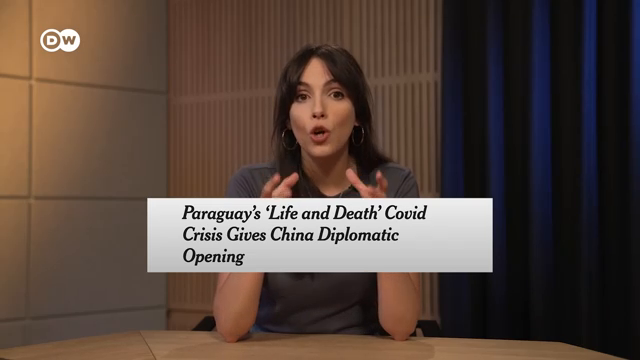
Economic Inducements: China offers massive infrastructure packages. For example, Burkina Faso reportedly received offers worth up to $50 billion before switching sides, and Costa Rica was gifted a new sports stadium after its 2007 flip [12:30]. During the COVID-19 pandemic, Taiwan accused Beijing of offering millions of vaccine doses to pressure Paraguay [12:52].

Trade Punishments: Nations backing Taiwan face strict market barri

Image for chunk 8

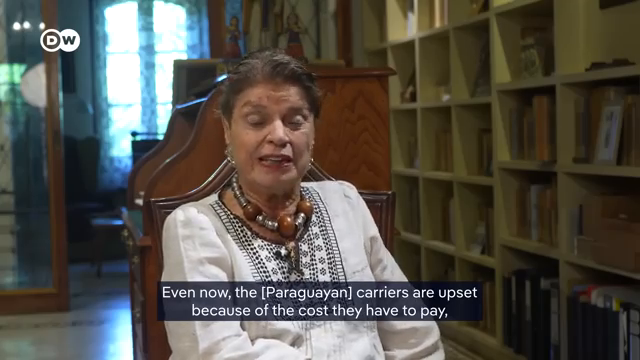
ers. China excluded Eswatini from continent-wide tariff reductions applied to all other African countries [13:36]. In Paraguay, the powerful agricultural sector faces severe hurdles exporting beef and pork directly to mainland China, which is the world's largest market [11:08].

Political Interference: Beijing frequently leverages local political opposition groups during election cycles to shift foreign policy sentiment [14:42].

Taiwan's Counter-Strategy

Mutual Sovereignty Support: These al

Image for chunk 9

lies provide an official stage for Taiwanese statehood. They allow the Taiwanese president to conduct formal state visits and orchestrate politically vital "refueling stopovers" in the United States [08:53]. Furthermore, these allies act as proxies to amplify Taiwan's voice inside international forums like the United Nations where Taipei is excluded [09:28].

Agile Unofficial Diplomacy: Concurrently, Taiwan pursues "cat-like," flexible unofficial diplomacy in larger nations. For example, Vi

Image for chunk 10

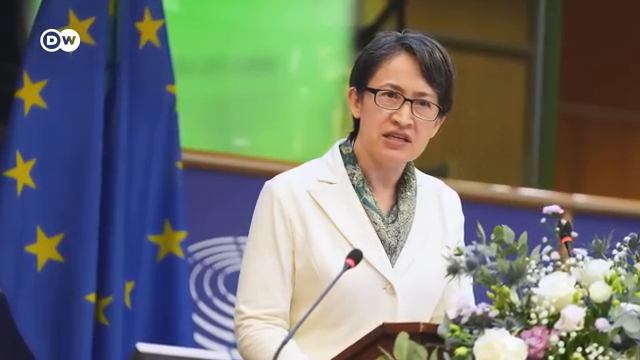
ce President Hsiao Bi-khim addressed the European Parliament in 2025 via an independent group of pro-Taiwan lawmakers, circumnavigating the EU's official "One China" policy [07:53].

The Role of the United States

The U.S. maintains a policy of "strategic ambiguity"—recognizing Beijing officially while remaining committed to supporting Taiwan's defense [17:28]. Washington views any ally flipping to Beijing as a direct expansion of Chinese geopolitical influence close to home (in Latin Americ

Image for chunk 11

a) or in vital maritime pathways (the Pacific) [16:24].

Shift in Tactics: Under the first Trump administration, the U.S. used aggressive "sticks"—recalling ambassadors and threatening to cut foreign aid to nations that ditched Taipei [17:48]. Realizing this was ineffective against local economic needs, U.S. lawmakers shifted toward "carrots," drafting legislation to provide special U.S. funds to help fulfill the infrastructural needs of Taiwan’s remaining allies [18:30].

Fluctuating U.S. P

Image for chunk 12

osition: U.S. policy under Donald Trump remains a moving target; while Trump noted he consulted Chinese President Xi Jinping regarding arms sales to Taiwan (leading to a pause on a $14 billion arms package), he also publicly indicated a willingness to speak directly to Taiwan’s president, a move that severely angers Beijing [19:11].

4. Future Geopolitical Outlook

The report highlights that winning back disillusioned former partners is one of the few avenues left for Taipei. For instance, H

Image for chunk 13

onduras switched to Beijing in 2023, but the promised economic benefits failed to materialize—causing their local shrimp industry to collapse and sparking political promises during the 2025 campaign to look back toward Taiwan [22:07]. However, experts note that Taiwan is highly unlikely to seek or gain official recognition from large global powers (like the U.S.), as Beijing would view that crossover of its "red line" as an immediate trigger for war [22:54].

Ultimately, Taiwan is successfu

Image for chunk 14

lly expanding its global relevance outside of official state recognition through its massive economic footprint. As the producer of over 90% of the world's most advanced semiconductors, Taiwan's total trade volume hit a record $1.12 trillion last year [23:40]. While China continues its efforts to isolate Taipei, the world economy finds itself in a position where it simply cannot ignore Taiwan [23:55].

Taiwan's allies: 12 small states caught in US-China rivalry | DW News

DW News · 43K views

Image for chunk 15

Viewer Discussion & Comments

@dwnews
Taiwan’s shrinking circle of friends is just 12 countries, those which maintain formal diplomatic ties: Belize, Guatemala, Haiti, Paraguay, Saint Kitts and Nevis, Saint Lucia, Saint Vincent and the Grenadines, the Marshall Islands, Palau, Tuvalu, Eswatini, and the Vatican City (Holy See). Most of these states are small or remote, scattered across the world map in Central America, the Caribbean, and the Pacific.
@terryhsiao1745
That's not the flag of Taiwan but the flag of Republic of China
@Haoruo-k8j
I was expecting Lithuania mentioned in the report...
@Արվեն
Damn, not even Germany acknowledged Taiwan. Lmao
@tkmedia2388
0 states recognize Taiwan. The 12 states recognize the Republic of CHINA.